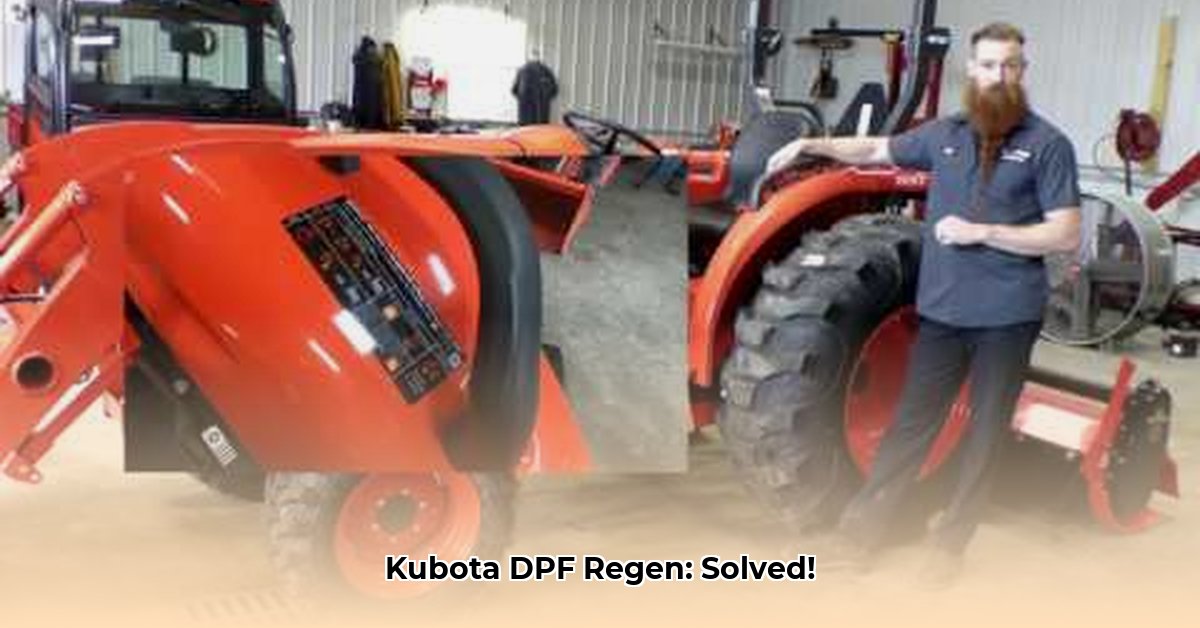
Keeping your Kubota tractor running smoothly requires understanding its key components, including the Diesel Particulate Filter (DPF). The DPF traps soot and other particles from your engine's exhaust, acting like a high-efficiency filter for exhaust fumes. Regular cleaning, known as regeneration, is crucial for maintaining performance and avoiding costly repairs. This guide provides a step-by-step process for manual DPF regeneration. For more information on Kubota tractor maintenance, check out this helpful resource on fuel filter replacement.
Understanding Your Tractor's DPF
Your Kubota's DPF is vital for both performance and environmental responsibility. It efficiently traps soot and other pollutants, preventing them from entering the atmosphere. Regular regeneration keeps the DPF effective, preventing engine performance issues and potential damage. A clogged DPF can significantly reduce engine power and lead to expensive repairs down the line.
Recognizing the Need for Regeneration
Before initiating regeneration, it's important to recognize the warning signs. A clogged DPF often manifests as:
- Warning Lights: A flashing or illuminated warning light on your dashboard is a clear indication that regeneration is needed. This is your tractor's way of signaling a problem.
- Sluggish Engine Performance: Does your tractor feel sluggish or less powerful than usual? This could point to a partially blocked DPF restricting exhaust flow.
- Excessive Smoke: Noticeably dark or thick exhaust smoke can indicate a struggling DPF unable to effectively filter combustion byproducts.
Ignoring these signs could result in substantial engine damage, so prompt attention is crucial.
Safety First: Prioritizing Safety Precautions
Safety is paramount when working on machinery. Before starting any regeneration process, adhere strictly to these safety measures:
- Secure Parking: Park your tractor on a level, stable surface to prevent accidents. Ensure the parking brake is engaged.
- Adequate Ventilation: Work in a well-ventilated area, ideally outdoors, to avoid inhaling harmful exhaust fumes. Fresh air is essential.
- Protective Gear: Always wear safety glasses or goggles to protect your eyes and gloves to safeguard your hands from grease, dirt, and potential burns.
- Engine Control: Turn off the engine except during the active regeneration process as detailed in your owner's manual.
Manual DPF Regeneration: A Step-by-Step Guide
This guide provides general steps. Crucially, consult your tractor's owner's manual for model-specific instructions. These steps are a guideline, not a substitute for the manufacturer's instructions.
- Consult Your Owner's Manual: This is the most important step. Your owner's manual contains precise instructions tailored to your specific Kubota model. Do not proceed without reviewing it.
- Prepare Your Tractor: Park your tractor safely, put on your safety gear, and ensure adequate ventilation.
- Initiate Regeneration (If Applicable): Some Kubota models allow manual regeneration via a dedicated switch or control panel sequence. Your owner's manual will explain this process.
- Monitor the Regeneration Process: During regeneration, you may notice increased engine speed and higher exhaust temperatures. This is normal. Allow the process to complete uninterrupted.
- Post-Regeneration Checks: Once regeneration is finished, the warning light should extinguish. Check your engine's performance for any unusual sounds or smoke.
Troubleshooting Common Regeneration Problems
If regeneration fails, several factors could be at play: low-quality fuel, extreme operating temperatures, or a severely clogged DPF. First, check your fuel quality and try again. Persistent problems require professional assistance. Never attempt advanced repairs yourself; you risk causing more significant damage.
When Professional Help is Essential
If manual regeneration proves unsuccessful after consulting your owner's manual and troubleshooting, contact a qualified Kubota technician. A severely clogged DPF requires expert diagnosis and repair. Attempting DIY solutions could lead to further damage and increased repair costs.
Preventive Maintenance: Extending DPF Lifespan
Proactive maintenance minimizes the frequency of regenerations and extends DPF lifespan:
- High-Quality Fuel: Use only premium diesel fuel.
- Proper Operation: Adhere to your owner's manual's operational guidelines.
- Scheduled Maintenance: Follow Kubota's recommended service schedule for regular inspections.
Conclusion: Ensuring Long-Term Tractor Health
Regular DPF regeneration is paramount for maintaining optimal engine performance, reducing emissions, and maximizing your Kubota tractor's lifespan. While minor issues can often be handled with this guide, more complex problems necessitate professional help. Prioritizing preventative maintenance will save you time, money, and potential headaches in the long run.